
The Cane Story
Looking Back
The story of sugar goes back a long time. The earliest evidence of sugar cane has been traced to Papua New Guinea around 6000 BC. In 325 BC, Alexander the Great invaded India and discovered “the reed which gives honey without bees.” Later, in 7th century AD, sugar was introduced to the Mediterranean; it was first recorded in England in 1099. Columbus came across sugar cane in the Canary Islands in 1493.
Sugar Cane
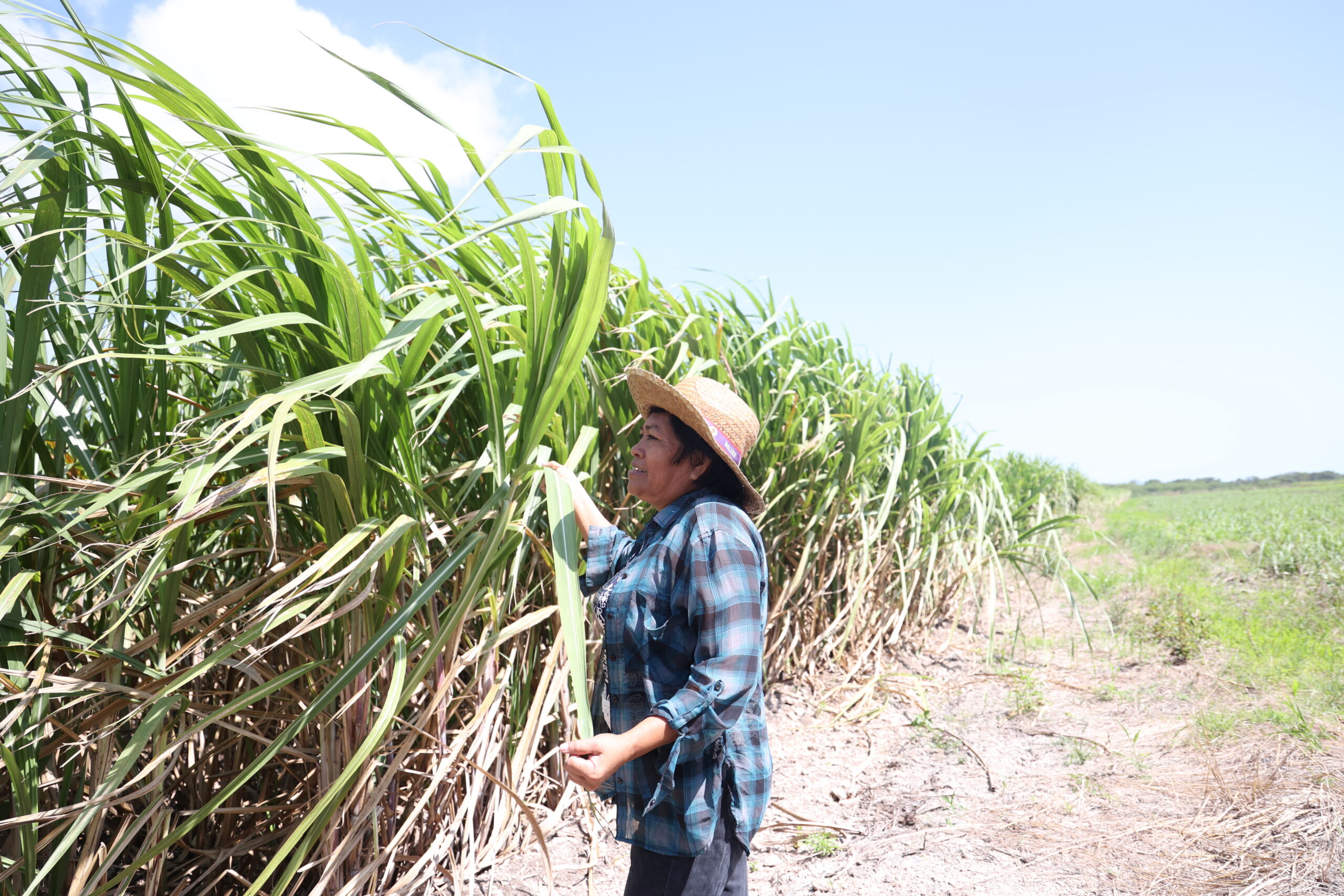
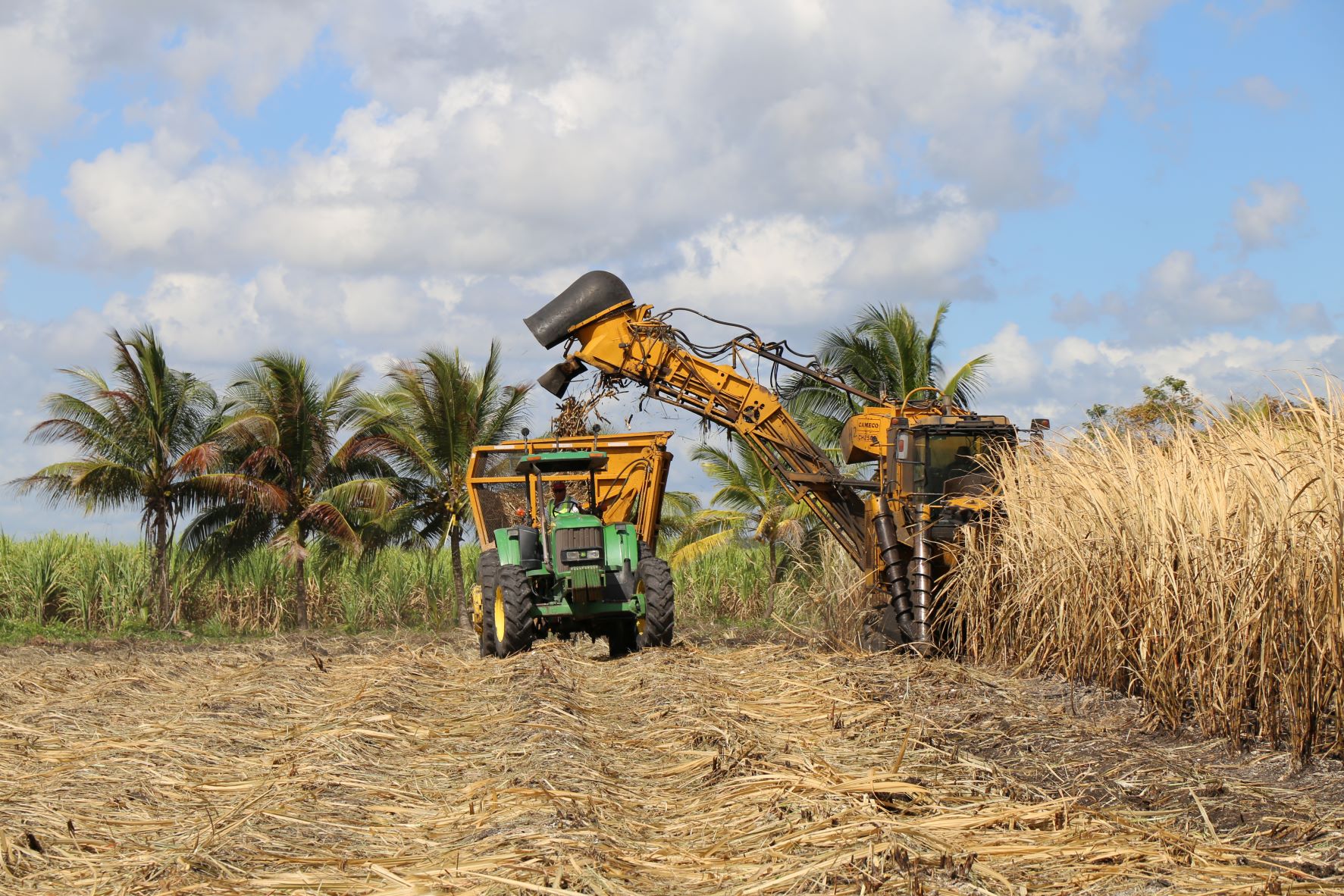
Our sugar starts with farmers who grow sugarcane. Cane farmers can be smallholders, medium or large estate farmers; independently owned or owned by the sugar mills themselves. Sugarcane is increasingly harvested mechanically, although some of it is still harvested by hand. In both cases, the cane stalk is cut close to the ground and the leaves are removed. The harvested cane is then transported to the sugar mill.
Cane Growing & Harvesting
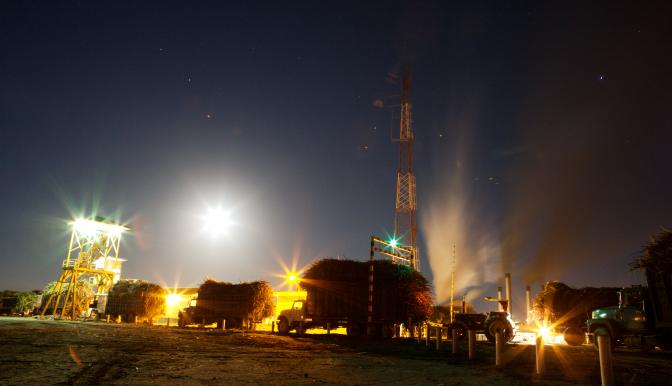
Sugarcane farmers plant a segment of sugarcane, and depending on the quality of the soil and care taken, they can expect to harvest sugarcane for between three to ten years. It is also important that the young plants are protected from weeds and insects which degrade the yield and quality of the crop. During harvesting, farmers slice the cane in to smaller segments and load on to waiting vehicles to be taken to the local sugar mill.
Milling
Sugar cane mills are located close to the fields so the cane is fresh when it arrives, maximising the content and quality of the sugar that can be extracted. Milling involves squeezing the sweet juice from the sugarcane, which is then clarified and crystalised in to raw sugar, ready for shipping to our European refineries.
Bagasse
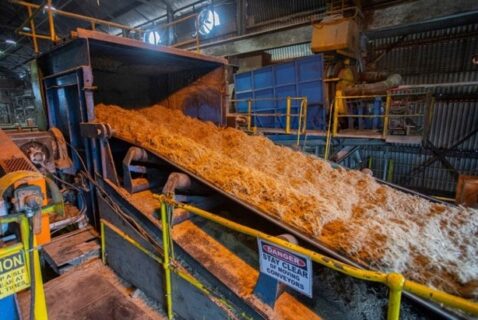
Bagasse is a by-product of the sugarcane milling process. It is the leftover fibre of the sugarcane stalk after it has been cut and squeezed of its sweet juice. Bagasse is mostly used as a bio-fuel source to power sugarcane mills. Generally, the bagasse produced during the crop generates all the fuel needed for the sugar mill, with some to spare, so it is often used to provide green electricity for the local community as well. It can also be used to make sustainable tableware.
Transportation & Logistics
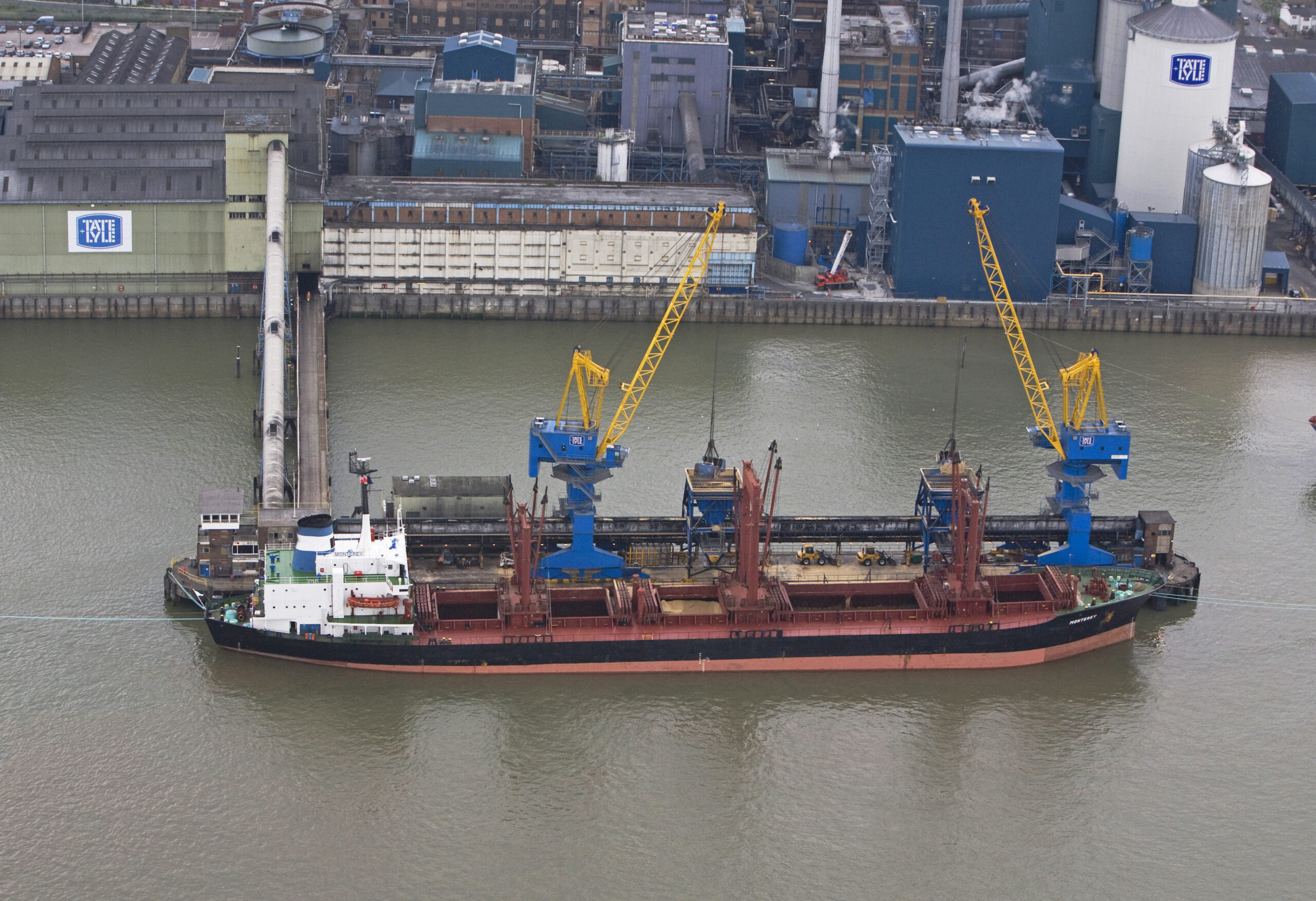
A range of transport types including lorries, rail and barges transport the raw sugar from the mill to the port of export. Raw sugar is then loaded on to bulk ocean-going ships for its journey to Thames refinery in London. Around 15 vessels a year arrive at our jetty in London carrying between 5,000 and 45,000 tonnes of raw sugar. The journey takes from 2 to 8 weeks depending on which supplying country the raw sugar is being shipped from.
Refining Process
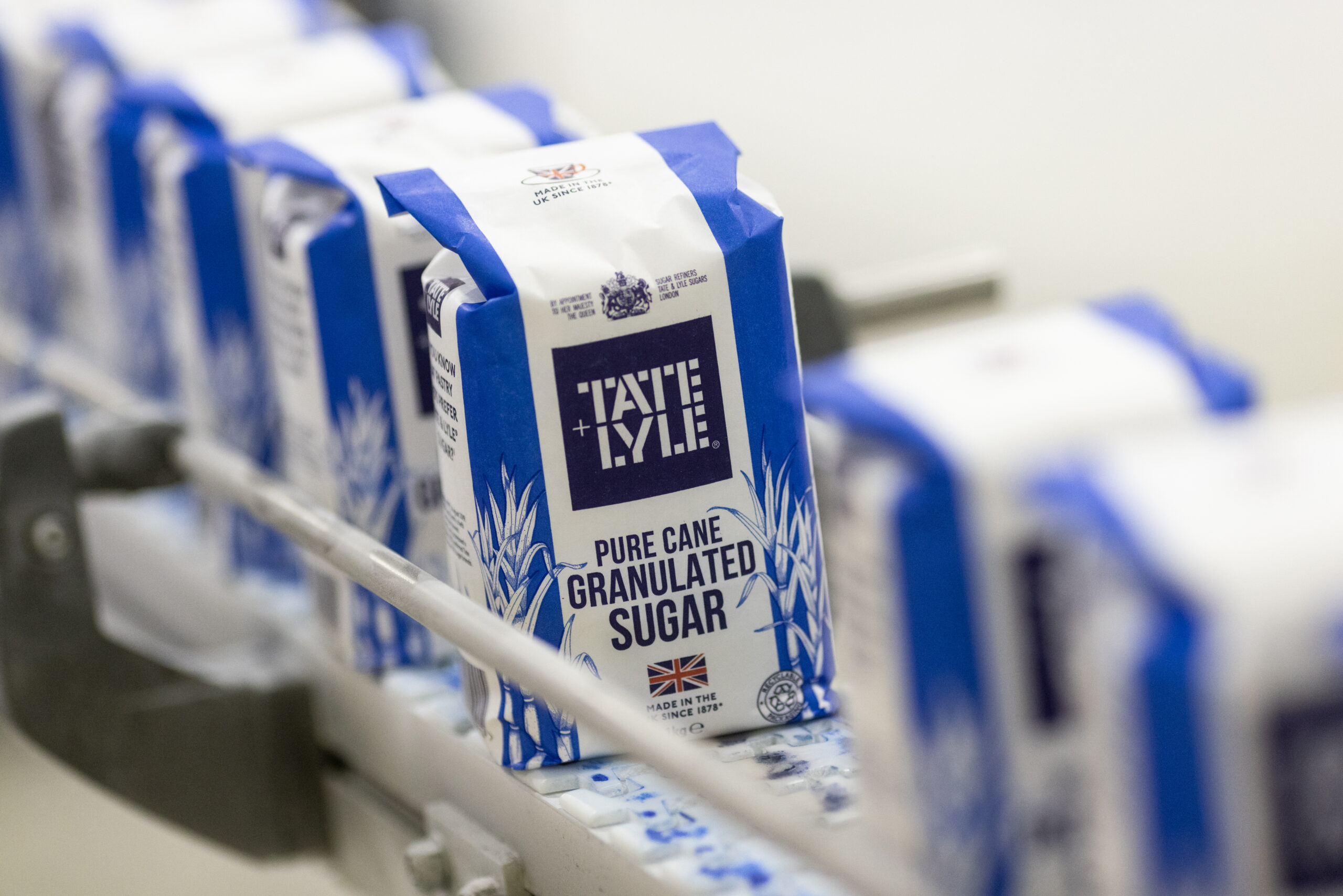
Our Thames Refinery receives raw sugar from our ASR Group mills such as Belize Sugar Industries (BSI) as well as many third party mills. In the refining process, large quantities of raw sugar have impurities removed from them and are made into a wide range of brown and white sugars, as well as syrups and treacles. Products are packed and delivered to retail and food service customers as well as food and drink manufacturers.